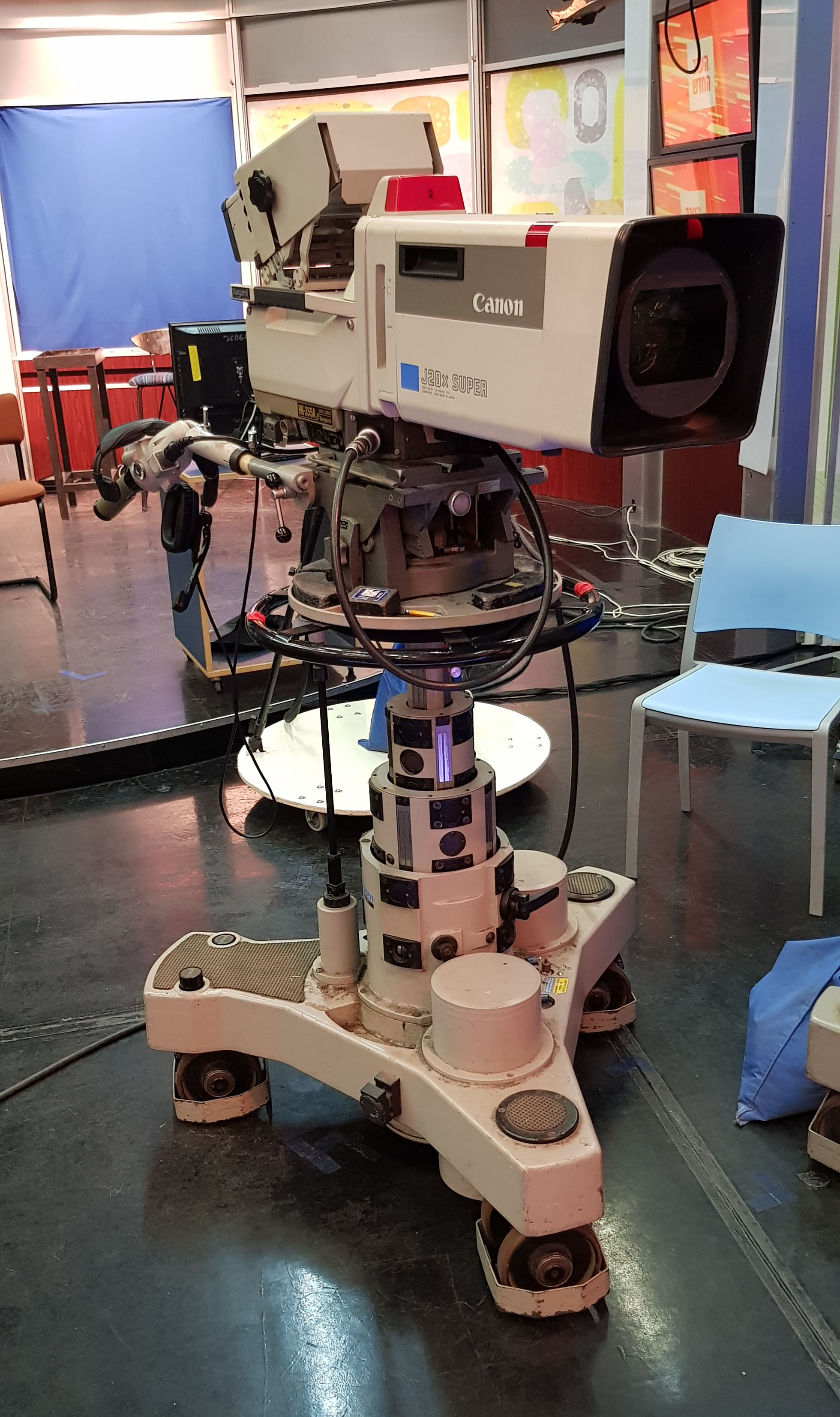
A live-dealer studio looks like a television set because it is one. Cameras, lighting, acoustic panels, and a dealer trained to speak to a lens — all wrapped around a physical table where real cards are shuffled and real wheels are spun.
The game control unit
Between the table and your screen sits the part nobody sees: the game control unit. Sensors read each card and each wheel pocket, converting physical outcomes into the data your interface displays. The video is the show; the data is the actual game record.
Why latency rules the design
Studios are built close to their audience for one reason: rounds must complete inside a few seconds of real time. Dealers pace the game to the broadcast, not the other way around. That is why the betting window closes before the cards are dealt — the round must resolve identically for everyone watching.
What this means for you as a reader
Understanding the machinery is the best scam filter available. A legitimate live table has a visible studio, named providers, published licence information, and outcomes driven by physics recorded on camera. Anything that cannot show you those four things is not a live table — it is a video pretending to be one.