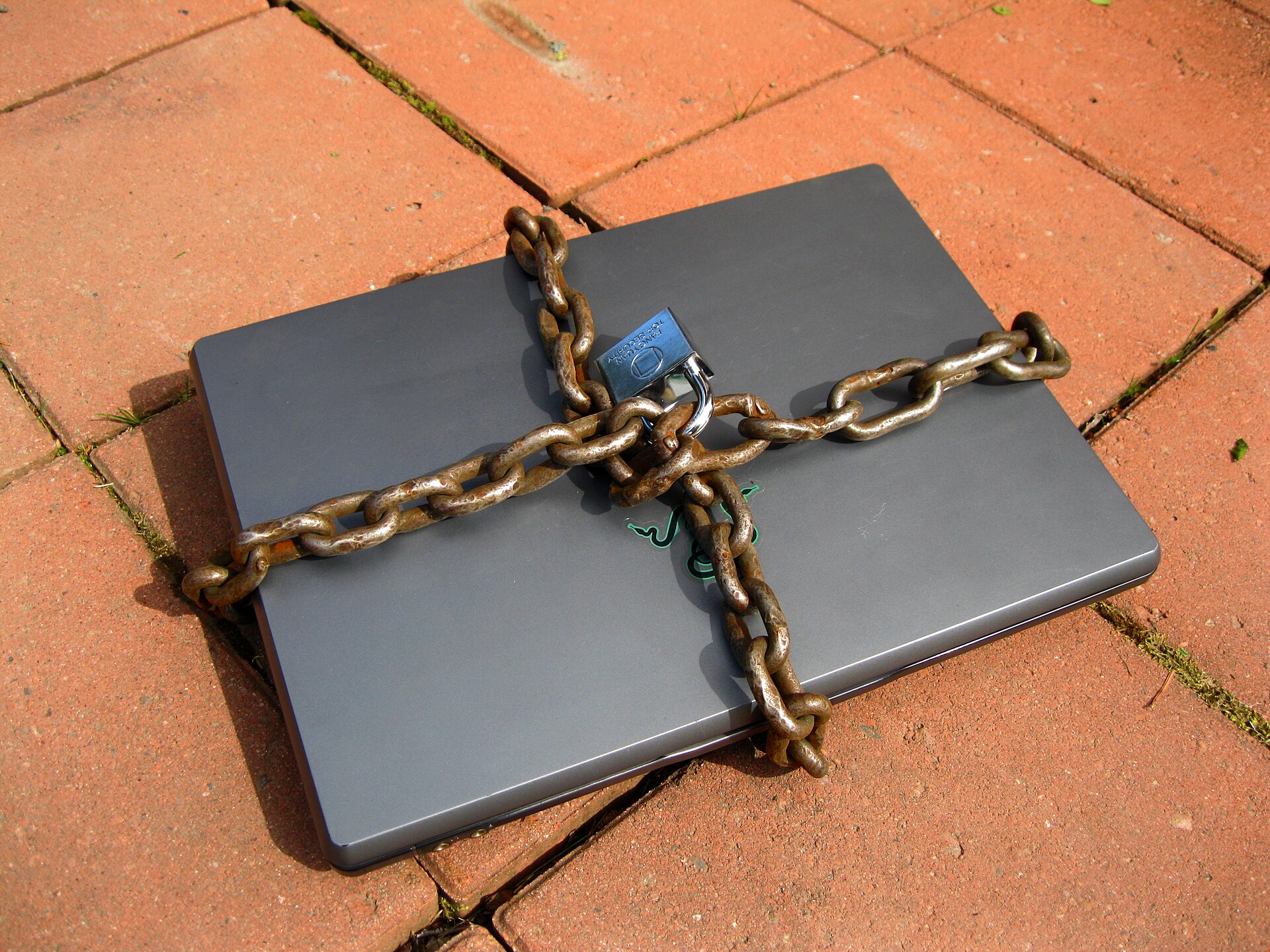
Most account takeovers do not come from sophisticated hacking — they come from small habits that can be fixed today. This guide collects those habits and expands the deltabet88 login guide with a more technical security perspective.
Why a unique password is not optional
A reused password is a wallet with one key for every door. When another service leaks — and major services leak every year — your password leaks with it. A password manager removes the reason to reuse: one strong master password, everything else generated and stored.
OTP codes: there is never a reason to share them
A one-time code is the final key. No staff member — at any service — ever has a reason to ask for it. Modern scam scripts are convincing enough: a lookalike sender address, official-sounding language, a plausible fake page. One rule beats all of them: an OTP code is never typed out to anyone, in any form.
Signs an account is being targeted
- Login notifications for sign-ins you did not perform.
- "Suspicious activity" emails that push you to act through a link — verify through the official app instead, never through that link.
- Active sessions from unfamiliar devices listed in the account security menu.
The thirty-second routine
Before closing a session: sign out, lock the device screen, and make sure no credentials are saved in a shared browser. Thirty seconds that closes most doors.
The same principle applies to creating a new account: start with correct data and minimal permissions, and the account becomes far harder to misuse.