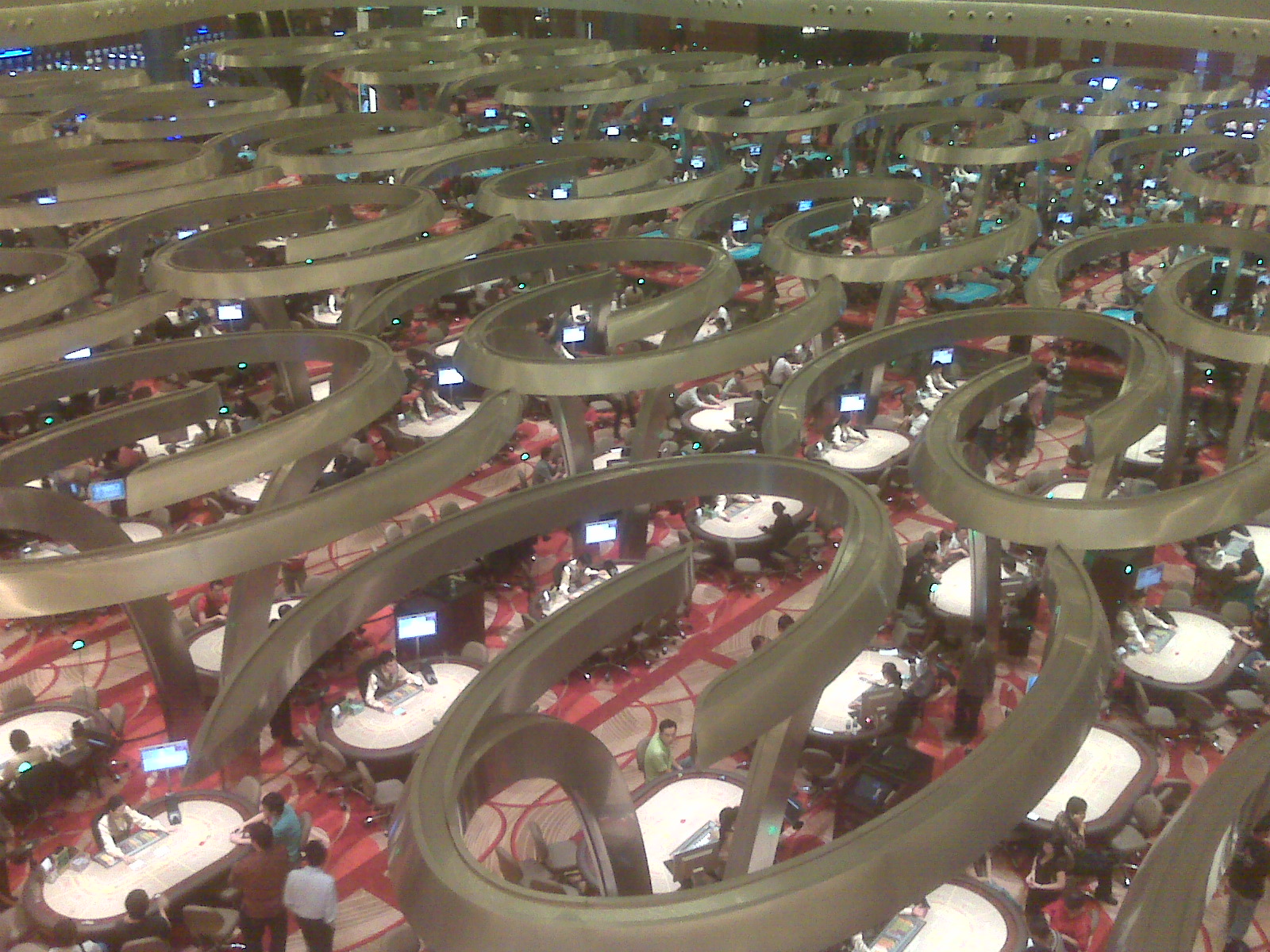
Baccarat intimidates because it looks ceremonial: tuxedos in films, superstition in the room. Underneath is the simplest card game on the floor — two hands, fixed drawing rules, three bets, zero decisions after wagering.
The flow of a coup
Two hands are dealt — Player and Banker — each usually receiving two cards. Card values: aces count one, tens and faces count zero, everything else face value; only the last digit of the total matters. A third card follows a fixed table of rules automatically; neither the player nor the dealer makes a choice.
The three bets
- Player — the player hand wins; roughly even money.
- Banker — the banker hand wins; also near even money, usually minus a five-percent commission, and statistically the best bet on the table.
- Tie — hands finish equal; pays around 8:1 and carries one of the worst edges in the casino despite the attractive payout.
Why streak systems fail here
Coups are independent events. The cards have no memory, so the "banker is hot" and "player is due" narratives that fill the roadmaps on the table carry no predictive content. The scam-awareness checklist applies equally to strategy-sellers as to fake sites: anything selling certainty is selling fiction.
Reading a baccarat table
Live baccarat earns trust the same way every live game does — named studio, published licence, camera-verified outcomes, as described in the studio explainer. The glossary defines the roadmap terms, and the casino overview places the game among its neighbours. Where play is legal, it is for adults; where it is not, this description is the entire point of the page.